
Property Tax Explained: What Homeowners Should Really Watch For
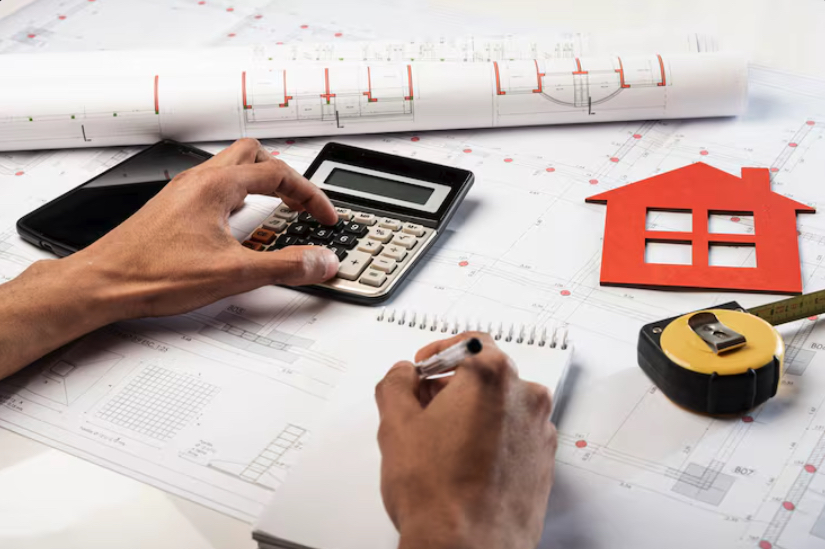
Property tax is one of the most consistent expenses of owning a home, yet it’s often one of the least understood.
Unlike income taxes, property taxes don’t adjust automatically when your income changes. They’re tied to the value of what you own, not what you earn.
This article explains how property taxes work, what actually drives them, and what homeowners should pay close attention to.
What Is Property Tax?
Property tax is a tax levied by local governments on real estate.
It is commonly used to fund services such as:
- Public schools
- Roads and infrastructure
- Emergency services
- Local government operations
Property taxes are usually paid annually or semiannually and are based on the assessed value of the property.
How Property Value Is Assessed
Local tax authorities assign an assessed value to each property.
This value may be based on:
- Market value
- Recent comparable sales
- Property size and features
- Improvements or renovations
The assessed value is not always the same as market value, but it strongly influences how much tax you owe.
Tax Rates Vary by Location
Property tax rates are set locally, not federally.
Two similar homes in different cities or counties can have very different tax bills due to:
- Local budget needs
- School funding models
- Voter-approved tax measures
This makes location one of the most important factors in property tax costs.
A Simple Example
Imagine a home assessed at $350,000.
If the local property tax rate is 1.2%, the annual property tax would be:
- $350,000 × 1.2% = $4,200
Even small changes in assessed value or rates can have a noticeable impact.
Why Property Taxes Can Increase Over Time
Many homeowners are surprised when their property taxes go up.
Common reasons include:
- Rising property values
- New local tax measures
- Improvements or additions to the home
- Reassessment after a sale
Property taxes don’t stay fixed, even if your mortgage payment does.
What Homeowners Should Watch Closely
Property tax bills deserve attention.
Homeowners should review:
- Assessed value accuracy
- Exemptions or credits
- Changes in tax rates
- Deadlines for appeals
Mistakes do happen, and appealing an incorrect assessment can reduce costs.
Property Tax and Long-Term Affordability
When buying a home, property tax is often underestimated.
Over time, property taxes can rival or exceed other housing costs. Factoring them into long-term planning helps avoid financial strain.
Why Estimating Property Tax Matters
Estimating property tax helps:
- Compare homes realistically
- Budget for annual expenses
- Avoid surprises after purchase
- Understand total housing costs
It’s an essential part of responsible homeownership.
Final Thoughts
Property tax is not just a bill. It’s an ongoing commitment tied to where you live.
Understanding how it’s calculated and what affects it gives homeowners more control and fewer surprises.
Awareness is the best form of protection.
Disclaimer: This content is for informational purposes only and does not constitute tax, legal, or financial advice. Property tax laws and rates vary by location. Consult local tax authorities or a qualified professional for personalized guidance.
References
- Property Tax | TaxEDU Glossary - Tax Foundation
- Property Tax: Definition, How to Calculate - NerdWallet
- Publication 530 (2025), Tax Information for Homeowners - IRS
Real-World Example: Property Tax Comparison
The Johnsons own a home with a market value of $350,000. Here is how their property tax differs by state:
- New Jersey (effective rate 2.23%): $7,805 per year
- Texas (effective rate 1.60%): $5,600 per year (but Texas has $100,000 homestead exemption for school taxes)
- Texas with homestead: ~$4,440 per year
- Hawaii (effective rate 0.29%): $1,015 per year
- National average (effective rate ~1.1%): $3,850 per year
- The difference between the highest and lowest states: $6,790 per year
- Over 30 years, that is $203,700 in property tax savings
Property taxes vary enormously by location — even within the same state, different counties can have very different rates. Always check the specific tax rate for your property address, not just the state average. And do not forget to apply for any homestead exemptions you qualify for.
Key Takeaways
- Property tax = assessed value × local mill rate (varies widely from 0.3% to 2.5%)
- Homestead exemptions can save hundreds to thousands per year on your primary residence
- New Jersey has the highest average effective rate (~2.23%), Hawaii the lowest (~0.29%)
- Property taxes are deductible on federal returns if you itemize (subject to $10,000 SALT cap)
- You can appeal your property assessment — success rates are typically 30-40%
Common Mistakes to Avoid
- Not applying for homestead exemption — many homeowners miss out on hundreds or thousands in savings
- Assuming the assessed value equals market value — many jurisdictions assess at a fraction of market value
- Not appealing an unfair assessment — about 30-40% of appeals result in a reduction
- Forgetting that property tax is included in the $10,000 SALT deduction cap for federal tax purposes
- Not budgeting for property tax increases — assessments typically rise when home values increase
Try Our Free Calculators
Get accurate estimates in seconds
Frequently Asked Questions
How are property taxes calculated?
Which states have the highest property taxes?
What is a homestead exemption?
Can I appeal my property tax assessment?
Are property taxes deductible on federal taxes?
Sources & References
All tax data is sourced from official government publications and updated regularly. Last verified: March 2026.